
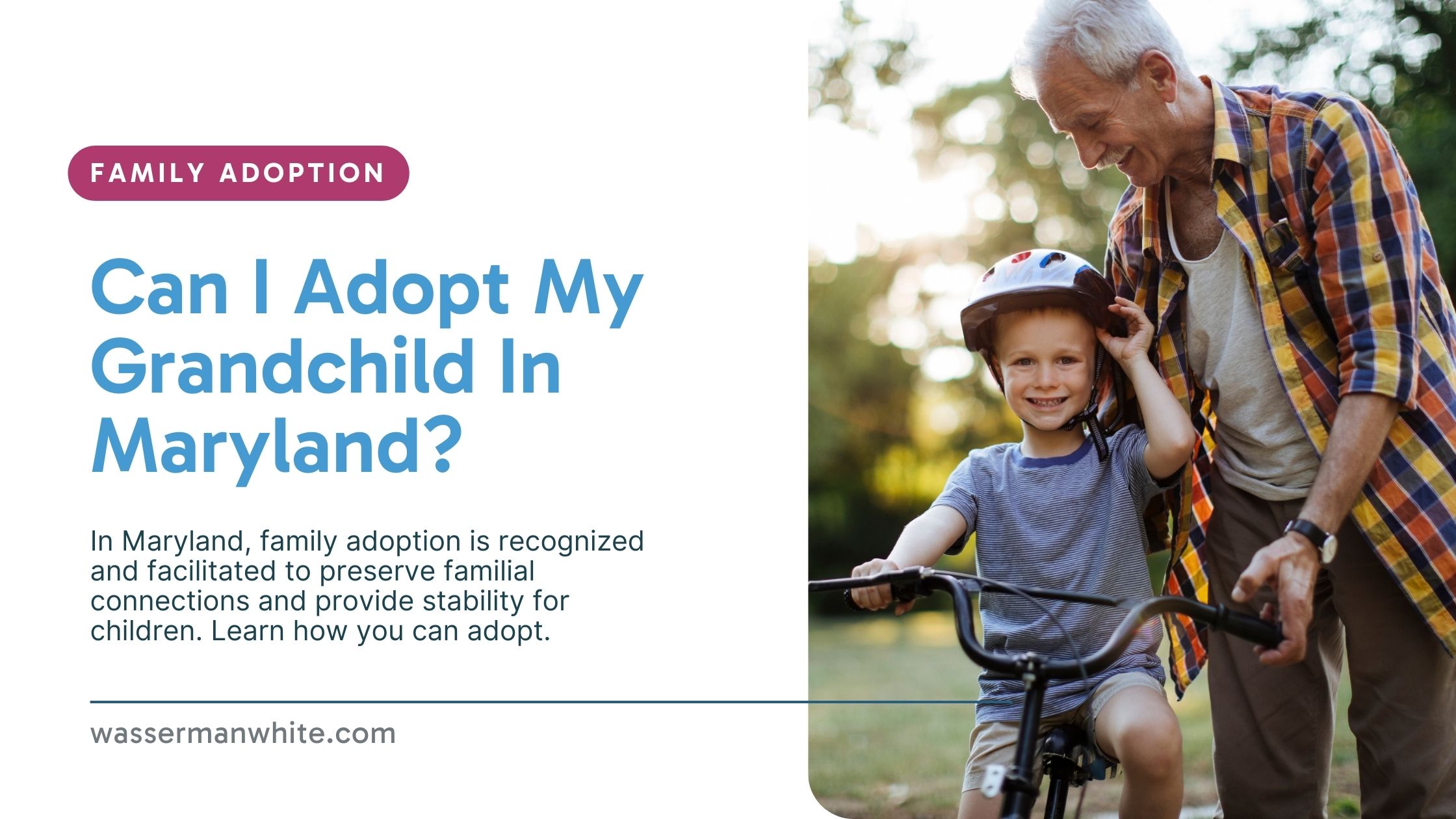
Adopting a family member, such as an aunt adopting her nephew, a grandfather adopting his grandchildren, or an older sibling adopting their younger siblings, is a process known as family adoption, or kinship adoption.
In Maryland, this legal procedure allows relatives to provide permanent homes for children within their family, ensuring their well-being and maintaining familial bonds.
This guide outlines the steps involved in kinship adoption in Maryland, including preparation, required documents, and relevant state laws.
Understanding Family Adoption in Maryland
Family adoption refers to the adoption of a child by a relative, such as a grandparent, aunt, uncle, step-parent, or sibling. This process establishes a legal parent-child relationship, granting the adoptive parent all rights and responsibilities of parenthood. In Maryland, family adoption is recognized and facilitated to preserve familial connections and provide stability for children.
Legal Framework
Maryland law supports family adoption through specific statutes and regulations. According to the Maryland Department of Human Services, kinship caregivers are individuals related by blood or marriage within five degrees of consanguinity (relationship), including grandparents, aunts, uncles, and siblings. These caregivers can become approved resource providers, offering a pathway to adoption.
Preparing for Family Adoption
Assess Eligibility: Ensure you meet Maryland’s requirements for adoptive parents, including being at least 21 years old and capable of providing a stable and nurturing environment.
Obtain Parental Consent or Termination of Parental Rights: Secure consent from the child’s biological parents. If consent is not obtainable, you may need to pursue termination of parental rights through the court, demonstrating that adoption is in the child’s best interest.
Required Documents
- Complete a Home Study: Undergo a home study evaluation conducted by a licensed social worker to assess your living situation and readiness to adopt. This process includes interviews, home visits, and background checks.
- File a Petition for Adoption: Submit a formal petition to the circuit court in your jurisdiction, including all necessary documentation and exhibits as specified by Maryland law.
When filing for kinship adoption in Maryland, you will need to provide:
- Completed Application Forms: Official forms from the Maryland Department of Human Services.
- Notarized Consent Forms: Consent from the child’s biological parents or legal documentation of terminated parental rights.
- Statistical Survey: A form collecting demographic information about the prospective adoptive parent(s).
- Photo Identification: A copy of a valid photo ID with a signature.
- Birth Certificate of the Child: To verify the child’s identity and familial relationship.
- Home Study Report: An assessment conducted by a licensed social worker evaluating your suitability as an adoptive parent.
All these documents can be found here on the Maryland Department of Human Services website.
Post-Adoption Considerations
After the adoption is finalized, it’s essential to update the child’s records, including obtaining a new birth certificate reflecting the adoptive parent’s name.
Additionally, consider the emotional and psychological needs of the child during this transition, and seek support services if necessary.
Provide a Loving Home
Kinship adoption in Maryland allows relatives to provide permanent, loving homes for family members in need. By understanding the legal requirements and diligently preparing the necessary documentation, prospective adoptive parents can navigate the process effectively, ensuring the best outcomes for the child and family.